Thinking Craftsman Consultancy

Towards a Greener Horizon: Initiatives and Innovations for a Sustainable Future
Posted on August 19, 2023
by admin
1 Comment
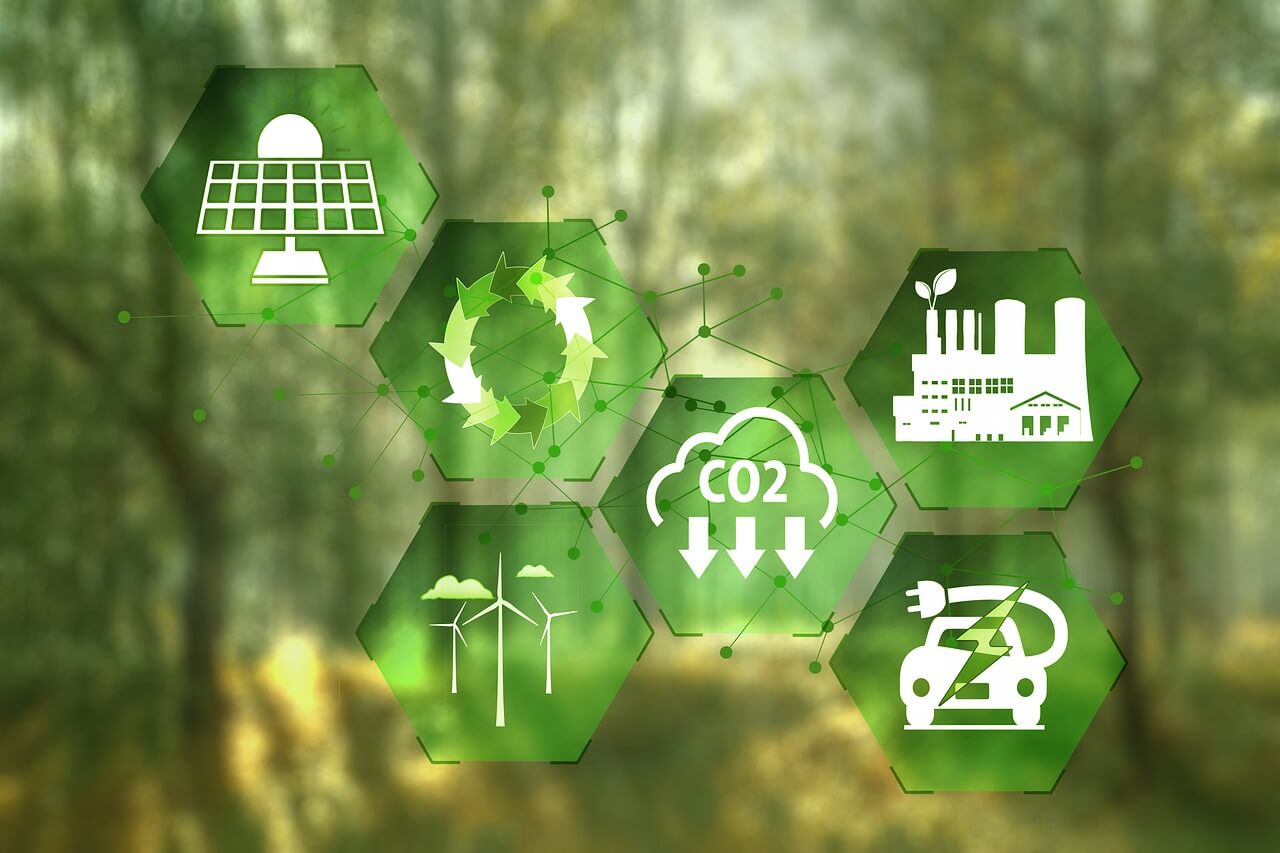
Towards a Greener Horizon: Initiatives and Innovations for a Sustainable Future
The World today is facing growing challenges of having environmental sustainability, loss of green cover, faster melting of snow covers, arid patches of barren land, unexpected and severely affecting hurricanes, flash floods, Ice tsunami, forest fires, and the list would go on.
The most critical challenge to sustainability is the continued rise of global greenhouse gas emissions when they actually should be falling rapidly to mitigate the damage to the earth. Globally we emit nearly 50 billion tons of greenhouse gases each year.
Greenhouse gas emissions trap heat and make the planet warmer. The largest source of greenhouse gas emissions from human activities is from burning fossil fuels for electricity, heat generation, and transportation. Nearly all the increase in greenhouse gases in the last 150 years is caused by human activities causing irreparable damage to the earth.
As per a study conducted in 2021 on sources of greenhouse emissions, following is the sectoral contribution-
• Transportation (28% of 2021 greenhouse gas emissions)
• Electricity production (25% of 2021 greenhouse gas emissions)
• Industry (23% of 2021 greenhouse gas emissions)
• Commercial and Residential (13% of 2021 greenhouse gas emissions)
• Agriculture, land usage, forests (22% of 2021 greenhouse gas emissions)
The growing competition between human intellect and nature’s composure brought the world to a whole new level of imbalance creating the need for Ideas for a better tomorrow.
While sustainability awareness is increasing among people across the world and the call for action is growing louder and louder, it is imperative to note some of the initiatives the world is taking. At the time when under the Paris Agreement, time-bound actions are being followed, notable initiatives by countries like Ireland, Norway, India, and the Netherlands to ban the sale of new gas and diesel-powered cars by 2030 are positive steps toward greener tomorrow.
India in its Maritime India Vision 2030 sets a clear path for the introduction of carbon-neutral equipment for ports, material handling, transport, and logistics sectors.
ThinkingCraftsman envisions assisting by promoting sustainable product solutions for ports, heavy industries, and logistics industries for a better tomorrow.
Our ideas of innovative and sustainable business practices are driven by the thoughts that, our future generation deserves a better world and we need to make our contributions in this direction. It is ThinkingCraftsman’s humble attempt at the gifting of a better tomorrow to our future generation.
The alternative energy-powered solutions will transform the entire value chain in container handling, material handling, transport and manufacturing sectors
Are Electric products a new way forward? Hydrogen-powered? or else?
We believe that beyond the environmental deterioration protection imperatives, this transformation to alternative energy would give benefits in enhanced productivity, quantifiable savings in costs, and reduced operator fatigue thus improving productivity and safety.
In comparison with diesel-powered equipment used in container and material handling, electric vehicles have fewer components, lesser needs for oil and filters, reduced wear offer lesser breakdowns resulting in lower maintenance costs. This is apart from the significant savings on fuel costs.
It is estimated that an electric-powered loaded reach stacker used in ports can reduce nearly 100 tons of CO2 per year over the diesel reach stacker.
Would you like to be part of this transformation?
Are you interested in knowing more?
Please connect with our experts in the field to understand and experience this transition for a better world through “Ideas For Better Tomorrow”
Please write to us info@thinkingcraftsman.co.in
1 Comment
A WordPress Commenter August 19 , 2023
Hi, this is a comment.
To get started with moderating, editing, and deleting comments, please visit the Comments screen in the dashboard.
Commenter avatars come from Gravatar.